The Planetary Atmosphere WORKs Laboratory (PAWs)
About our research
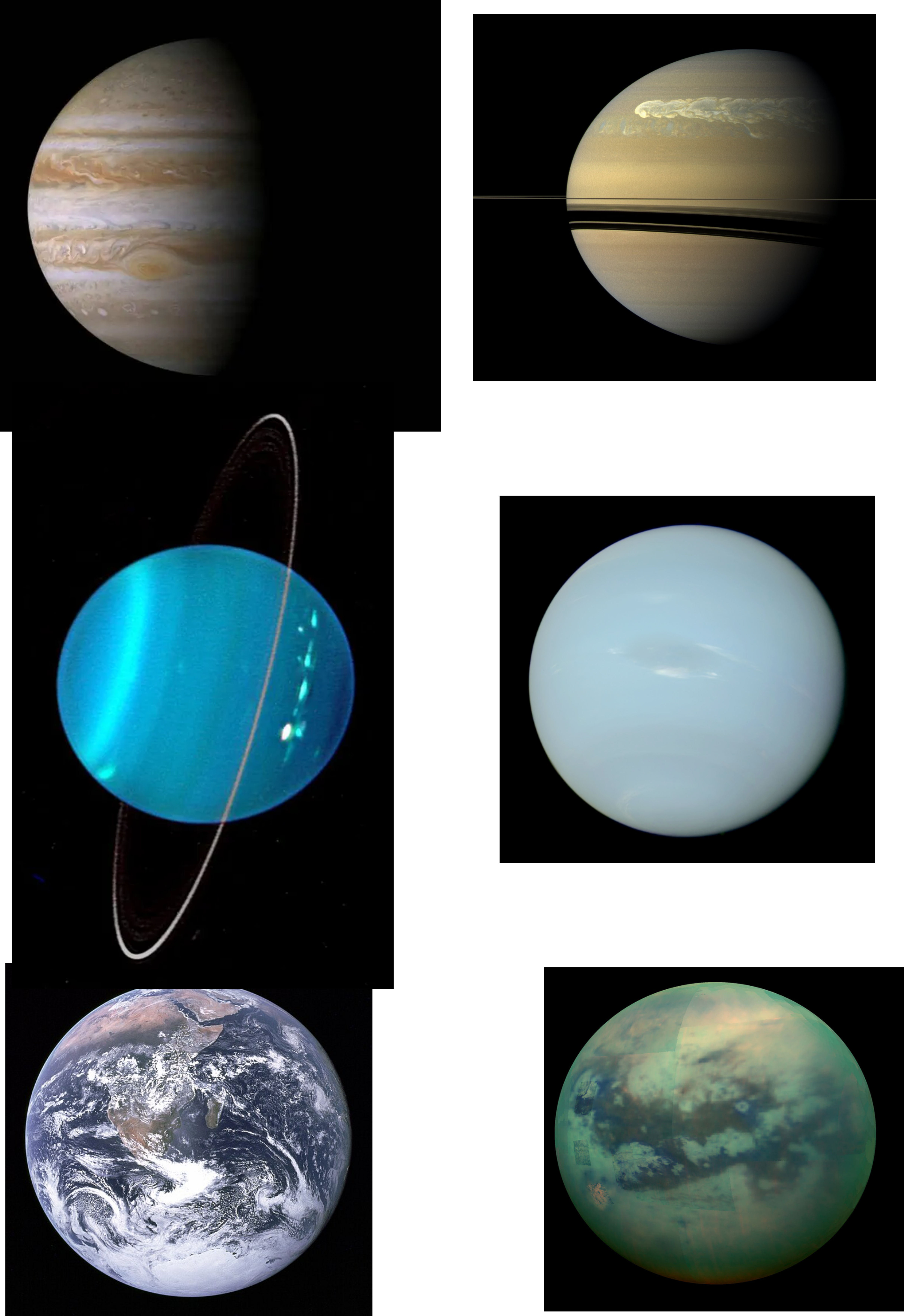
The PAWs laboratory is committed to advancing the understanding of planetary atmospheres through numerical modeling, and from observations & analysis of data derived from space, aircraft, and ground-based instruments.
current research projects and facilities

Uranus’S & Neptune’s Dark Anticyclonic Vortices
This NASA-funded numerical simulation project seeks to test the hypothesis that moist convection is responsible for the formation of these unusual dark anticyclonic spots found on Neptune and, occasionally, on Uranus.

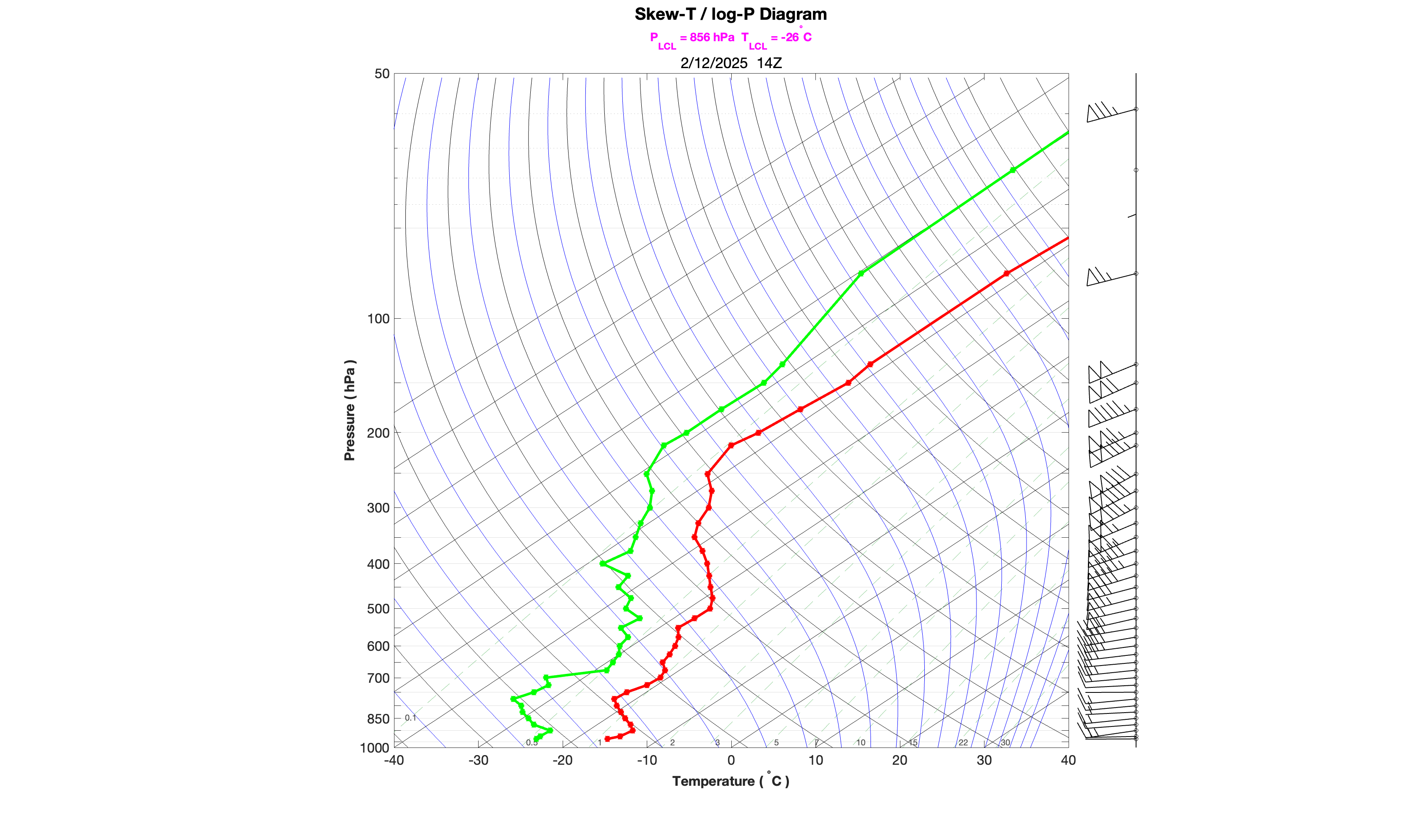
DIY Radiosondes
Radiosondes are small instrument packages carried aloft by balloon to measure temperature, pressure, humidity, wind speed and direction. We are building and testing our own designs, which cost about 1/3rd of a commercial radiosonde.

UAV Instrument development and flights
Juno Spacecraft Observations of Jupiter cyclones & Clouds
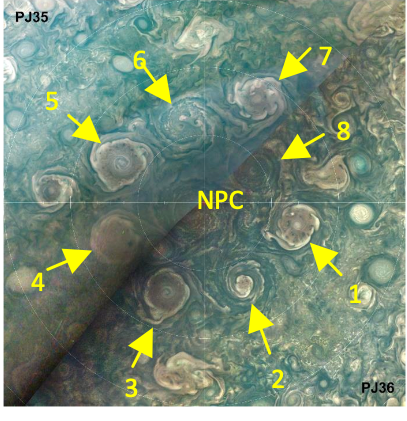
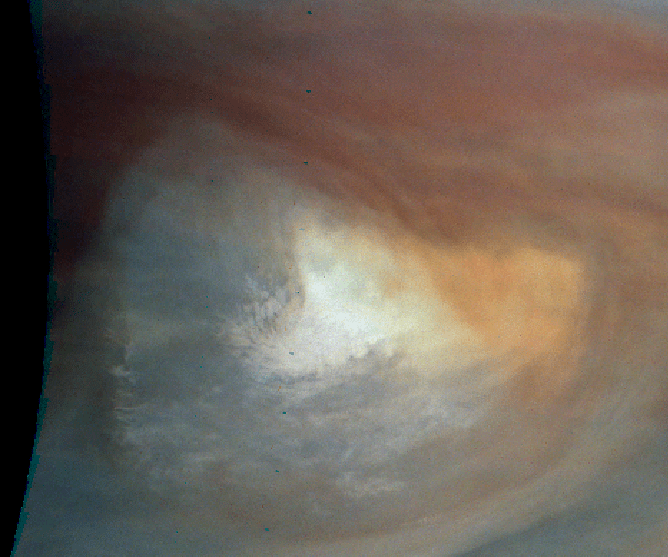
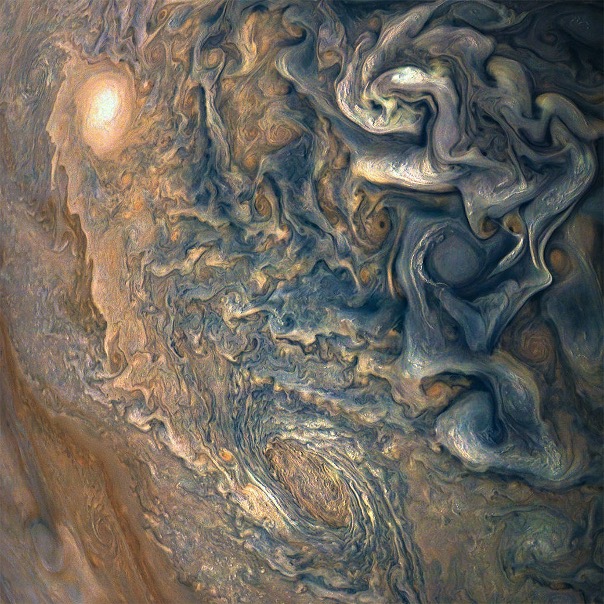
We have several projects that work with Juno’s visible light camera (JunoCam) and the infrared camera and spectrometer (JIRAM) to understand how Jupiter’s storms form and change over time.

Lake-effect snow
Lake-effect snow (LES) hits Michigan’s Upper Peninsula hard. Observations strongly suggest the Keweenaw Peninsula itself may intensify snowfall here and in downwind communities. We are analyzing archival data and will use it to run simulations using the Weather Research and Forecasting model (WRF) testing the influence of the Keweenaw’s terrain on LES.

Ground based sensing Of Clouds, aerosols, and precipitation
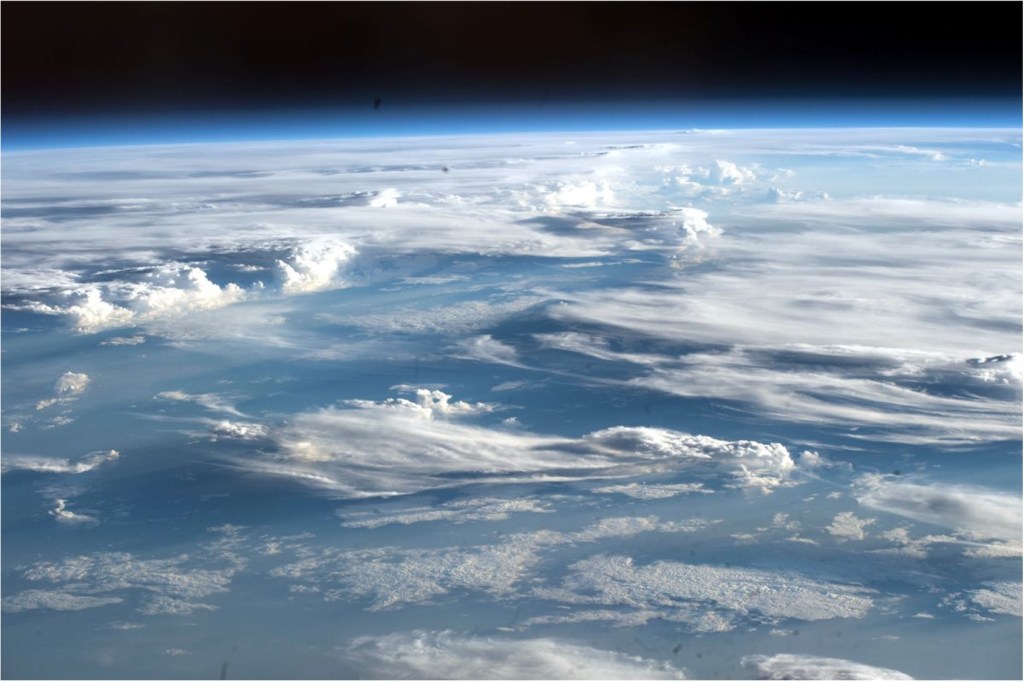
We continuously monitor the atmosphere over the Keweenaw with multiple remote sensing instruments: ceilometer, micro-rain radar, and with visible & infrared cameras.
Computational facilities
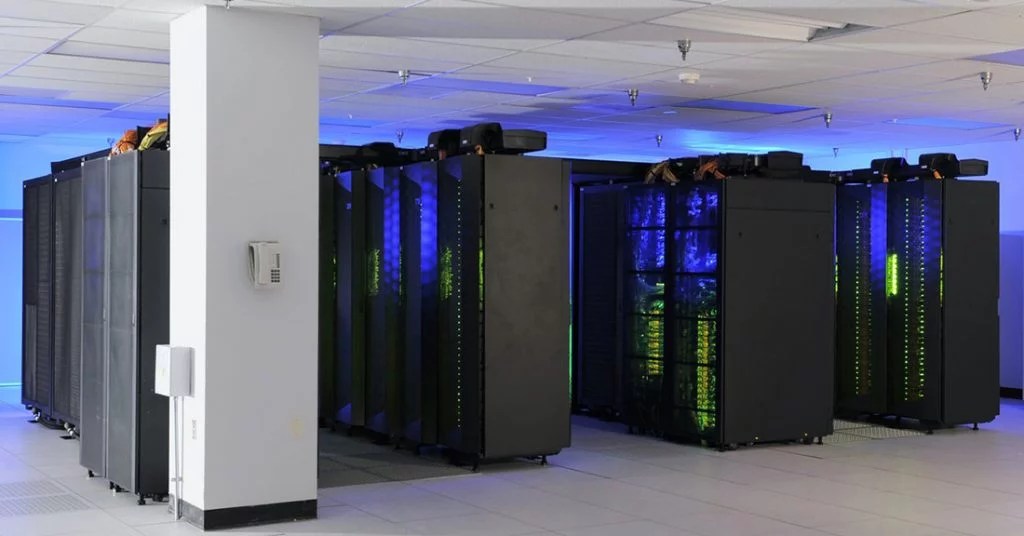
We have two desktop servers (56 core Intel & 64 core AMD Ryzen Threadripper machines) and access to MTU’s Superior and Portage High Performance Computing Clusters.


 Planetary Atmosphere Works (PAWs)